
Contents
Overview
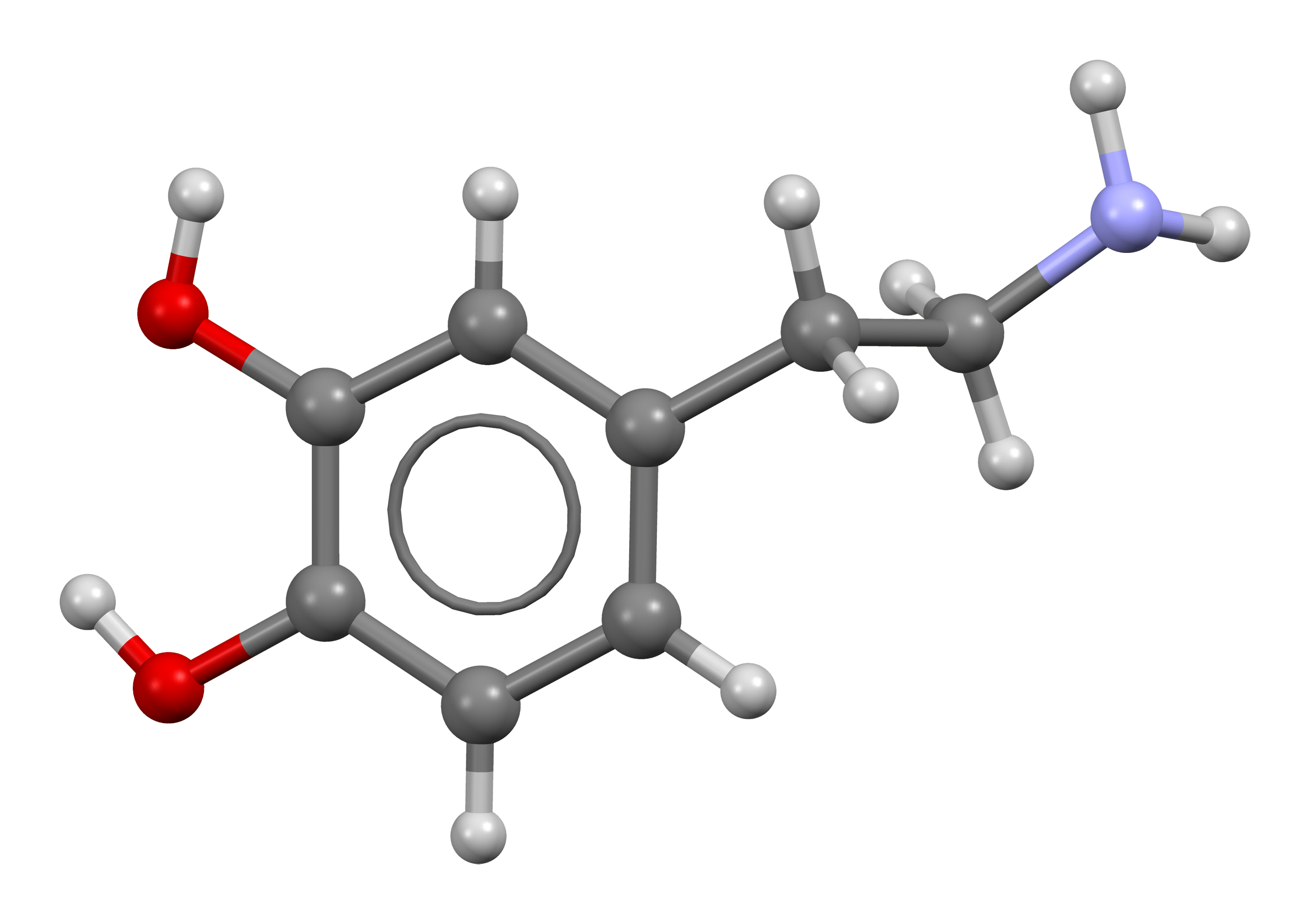
Dopamine is a neuromodulatory molecule that plays a crucial role in cells, functioning as a hormone and neurotransmitter. Dopamine is synthesized from the amino acid tyrosine and is a type of catecholamine and phenethylamine, with a chemical structure composed of nitrogen, carbon, and oxygen atoms. The brain's dopamine system is closely linked to the reward system, which is influenced by dopamine receptors and dopamine transporters. Dopamine release and uptake are regulated by distinct pathways in the brain, including the mesolimbic pathway and the nigrostriatal pathway.
📖 Definition & Core Concept
Dopamine is a complex molecule with a rich history. Dopamine's chemical structure is composed of nitrogen, carbon, and oxygen atoms, and it is synthesized from the amino acid tyrosine through a series of enzyme-catalyzed reactions.
🔬 How It Works (Mechanics)
The brain's dopamine system is closely linked to the reward system, which is influenced by dopamine receptors and dopamine transporters. Dopamine release and uptake are regulated by distinct pathways in the brain, including the mesolimbic pathway and the nigrostriatal pathway.
📊 Key Facts, Numbers & Statistics
Dopamine agonists and dopamine antagonists are used to treat various neurological and psychiatric disorders. Dopamine is involved in the regulation of motivation and pleasure. Dopamine dysregulation has been implicated in various addiction disorders, including substance abuse and behavioral addiction, which can be treated with cognitive-behavioral therapy and medication-assisted treatment.
🌍 Real-World Examples & Use Cases
Real-world examples of dopamine's role in motivation and reward processing include the use of dopamine agonists in the treatment of certain disorders, and the use of dopamine antagonists in the treatment of other disorders.
📈 History & Evolution
The history and evolution of dopamine research is closely tied to the development of psychopharmacology and neuroscience.
⚡ Current State & Latest Developments
Current state and latest developments in dopamine research include the use of functional magnetic resonance imaging (fMRI) and positron emission tomography (PET) to study dopamine release and uptake in the brain, and the development of new dopamine agonists and dopamine antagonists for the treatment of various disorders.
🔮 Why It Matters & Future Outlook
Dopamine's significance and future outlook are closely tied to its role in motivation and reward processing. Further research is needed to fully elucidate the mechanisms of dopamine release and uptake, and to develop new treatments for dopamine-related disorders.
🤔 Common Misconceptions
Common misconceptions about dopamine include the idea that it is solely responsible for pleasure and reward, when in fact it is involved in a wide range of physiological and psychological processes.
Key Facts
- Category
- definitions
- Type
- topic
- Format
- what-is
Frequently Asked Questions
What is dopamine?
Dopamine is a neuromodulatory molecule that plays a crucial role in cells, functioning as a hormone and neurotransmitter. It is synthesized from the amino acid tyrosine and is a type of catecholamine and phenethylamine.
What is the role of dopamine in motivation and reward processing?
Dopamine is involved in the regulation of motivation and pleasure. Dopamine release and uptake are regulated by distinct pathways in the brain, including the mesolimbic pathway and the nigrostriatal pathway.
How is dopamine used in treatment?
Dopamine agonists and dopamine antagonists are used to treat various neurological and psychiatric disorders.